

In the heart of Nigeria lies Enugu, a city once famed for its coal mines and lush greenery. However, despite its rich natural resources, Enugu faces a persistent and increasingly severe problem: a lack of adequate water supply.
This scarcity affects daily life, from basic household needs to agricultural practices and industrial operations. Understanding why Enugu struggles with water supply requires a deep dive into various interconnected issues, from environmental factors to infrastructural challenges.
Environmental Factors
Climate Change
Climate change plays a significant role in Enugu’s water scarcity. Over the years, the region has experienced altered rainfall patterns, with longer dry seasons and shorter, more intense rainy seasons. These changes reduce the overall availability of surface water and groundwater recharge. The inconsistency in rainfall directly impacts the natural water bodies that communities depend on, leading to periods of drought that strain the already limited water resources.
Topography
Enugu’s hilly terrain, while picturesque, poses significant challenges for water retention and distribution. The city is on a plateau, making capturing and retaining rainwater difficult. Water quickly runs off the slopes, reducing the amount infiltrating the ground to recharge aquifers. This runoff often leads to erosion and the loss of topsoil, further degrading the land and reducing its capacity to retain water.
Infrastructural Challenges
Aging Infrastructure
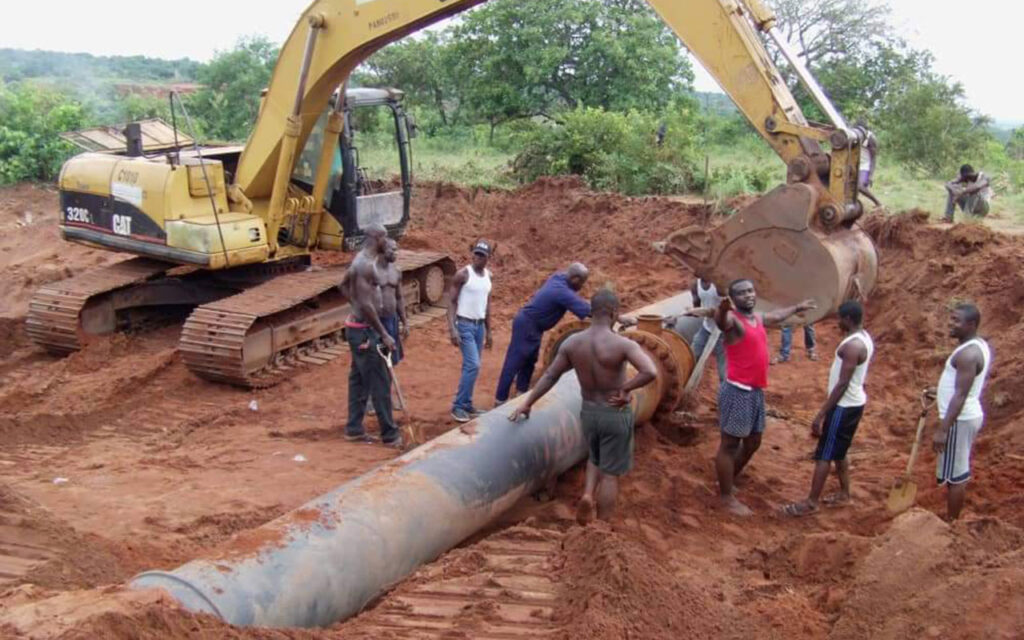
One of the most critical issues contributing to Enugu’s water problems is its aging infrastructure. Many of the city’s water supply systems were constructed decades ago and have not been adequately maintained or upgraded. Leaks and pipeline breaks result in significant water loss before reaching the end-users. Additionally, outdated technology and equipment reduce the efficiency of water treatment and distribution, compounding the problem.
Insufficient Water Supply Systems
Enugu’s water supply infrastructure has not kept pace with its growing population. The current systems were designed for a much smaller population, leading to a severe mismatch between supply and demand. Many communities rely on makeshift wells and boreholes, often not sustainable or reliable. The lack of a robust and widespread water distribution network means many residents must travel long distances to access water.
Economic Factors
Underfunding
Water infrastructure projects in Enugu suffer from chronic underfunding. The local government and relevant agencies often lack the financial resources to invest in comprehensive water supply and maintenance projects. This financial shortfall means that essential projects, such as expanding water treatment plants and constructing new pipelines, are delayed or never completed.
High Cost of Borehole Drilling
For many residents and businesses, drilling boreholes is the most viable option for accessing water. However, the cost of drilling and maintaining boreholes is prohibitively high for many. The initial investment and ongoing maintenance costs place a significant financial burden on households and small businesses, making it an unsustainable solution for long-term water supply.
Societal Impact
Health Implications
The lack of clean and reliable water has dire health implications for Enugu’s residents. Due to the reliance on unsafe water sources, waterborne diseases, such as cholera and typhoid fever, are prevalent. Poor sanitation and hygiene practices resulting from water scarcity further exacerbate these health issues. The burden of water-related diseases strains the local healthcare system and affects the population’s overall well-being.
Economic Activities
Water scarcity negatively impacts economic activities in Enugu. Agriculture, which relies heavily on a consistent water supply, suffers during dry periods, reducing crop yields and food shortages. Industries that depend on water for their operations, such as manufacturing and food processing, face production delays and increased costs. The lack of a reliable water supply hinders the region’s overall economic productivity.
Government and Policy Issues
Policy Gaps
Inconsistent and ineffective policies contribute to Enugu’s water scarcity. There is often a lack of coordination between various governmental bodies responsible for water resource management. Additionally, policies that do exist are not always implemented effectively due to bureaucratic hurdles and corruption. This lack of coherent and enforced policies prevents the development of long-term solutions to the water crisis.
Lack of Public Awareness
Public awareness about water conservation and efficient usage is relatively low in Enugu. Many residents are uneducated on practices that could help mitigate water scarcity, such as rainwater harvesting and water-saving techniques. Without widespread awareness and community engagement, efforts to conserve water and manage resources effectively are less likely to succeed.
Potential Solutions to Water Scarcity in Enugu State, Nigeria
Investment in Infrastructure
Addressing Enugu’s water scarcity requires significant investment in modernizing and expanding water infrastructure. Upgrading existing pipelines, constructing new treatment plants, and developing an extensive water distribution network are crucial. These projects require substantial funding and commitment from the government and private sector to ensure long-term sustainability.
Promotion of Borehole Drilling
Given the challenges with centralized water supply systems, promoting boreholes is a practical solution. However, this requires making borehole drilling more affordable and accessible to residents. Subsidies, loans, and grants can help offset the initial costs, while training programs can educate communities on proper borehole maintenance to ensure longevity and reliability.
Community Engagement and Education
Educating the public about water conservation and sustainable usage practices is essential. Community programs and campaigns can raise awareness about the importance of conserving water, reducing waste, and protecting water resources. Engaging local communities in water management projects can also foster a sense of ownership and responsibility, encouraging collective action to address the water scarcity issue.
Conclusion
Water scarcity in Enugu is a complex issue rooted in environmental, infrastructural, economic, and policy challenges. While the problem is multifaceted, it is not insurmountable. Enugu can overcome its water challenges through targeted investments, effective policies, and community engagement and ensure a reliable and sustainable water supply for its residents.
If you’re experiencing water scarcity in Enugu and need a reliable solution, contact us today to connect with experienced borehole drillers in Nigeria who offer durable drilling and installation services. Don’t let water scarcity disrupt your life—reach out now and secure a steady water supply for your home or business.
FAQs
Why is Enugu experiencing a severe water shortage?
Climate change, outdated infrastructure, insufficient water supply systems, and underfunded projects cause Enugu’s water shortage. These factors reduce water availability and distribution.
What are the potential health impacts of water scarcity in Enugu?
Water scarcity in Enugu leads to reliance on unsafe water sources, resulting in waterborne diseases such as cholera and typhoid fever. Poor sanitation and hygiene practices further exacerbate these health risks.
How can residents and businesses in Enugu get access to a reliable water supply?
One effective solution is drilling boreholes, which provide a sustainable and reliable water source. Contact experienced borehole drillers for affordable and durable borehole drilling and installations.